S e r v i c e s a n d F e e s
I offer in-person, virtual, and walk-and-talk therapy for adults and teens in Washington State. My approach is trauma-informed, identity affirming, and based in attachment.
My primary areas of specialization include women’s issues, life transitions, attachment trauma, relational trauma, complex PTSD, neurodivergence, grief, mindfulness, and art therapy.
-
Finding a therapist who is a good fit is an essential part of successful therapy. A consult is a casual call to talk about what you’re seeking in therapy, explore what it might be like to work together, and to assess whether your needs are within my scope of practice. If it feels like we’re a good fit, we’ll schedule a first session.
-
Establishing a therapeutic alliance: We begin by discussing background information, confidentiality and disclosure agreements, determining your therapy goals, and formally getting to know one another in our intake session.
-
Individual counseling sessions are where we continue our therapeutic work together with weekly or biweekly therapy sessions. This includes in-person, walk-and-talk, and virtual sessions. Virtual sessions use a HIPAA compliant telehealth platform.
-
An uninterrupted 90 minute session tailored to your nervous system, allowing for deep processing, relaxation, and emotional regulation without feeling rushed. Extended sessions can help establish safety, create momentum, break through emotional barriers, and address complex issues.
-
A shorter session designed for teens that aligns with their attention spans. Providing enough time for meaningful work without feeling overwhelmed while preventing emotional fatigue. It encourages focused communication, fosters consistent engagement, and fits easily into busy academic schedules.
-
Item description
I offer a limited number of sliding scale spaces to reduce financial strain. To find out more, please ask me about flexible fee rates.

Important Notes on Insurance
If you would like to use your insurance benefits for therapy, please contact your insurance company and ask for a list of in-network providers with current openings. If you are seeking in-person care, be specific with your insurance company when inquiring about in-network providers; commonly, providers who are paneled with insurance are virtual.
I am not paneled with insurance at this time. I do accept HSA cards as a payment method. Upon request, super-bills will be provided. Super-bills are itemized receipts for services which can be used for partial reimbursement from your insurance provider. I recommend contacting your insurance company to verify out of network benefits if you plan to submit super-bills.
Why do so many mental health care providers not take insurance? In short, paying out-of-pocket for counseling means insurance companies won’t be able to dictate what services look like for you. Choosing a private pay provider not only gives you greater freedomto choose to work with a provider who is a good fit for you, it also gives you greater privacy. Many insurance companies require giving diagnoses to continue therapy as well as disclosure of confidential details about your progress. Working outside the confines of this system means insurance companies won’t have access to diagnoses, clinical notes, dates of service, or other protected health information, nor will they get to decide if, when, or how often you receive services. This ensures greater privacy, autonomy, and agency for you. In my experience, this is often a good thing.
Please ask me about sliding rates. I offer a limited number of flexible fee spaces per week to ensure therapy is affordable. This fee is based on your current financial circumstances, not the quality of care. We can discuss your situation to find a rate that makes sense in an effort to ensure consistency in therapy while limiting financial strain.

What is Walk-and-Talk Therapy?
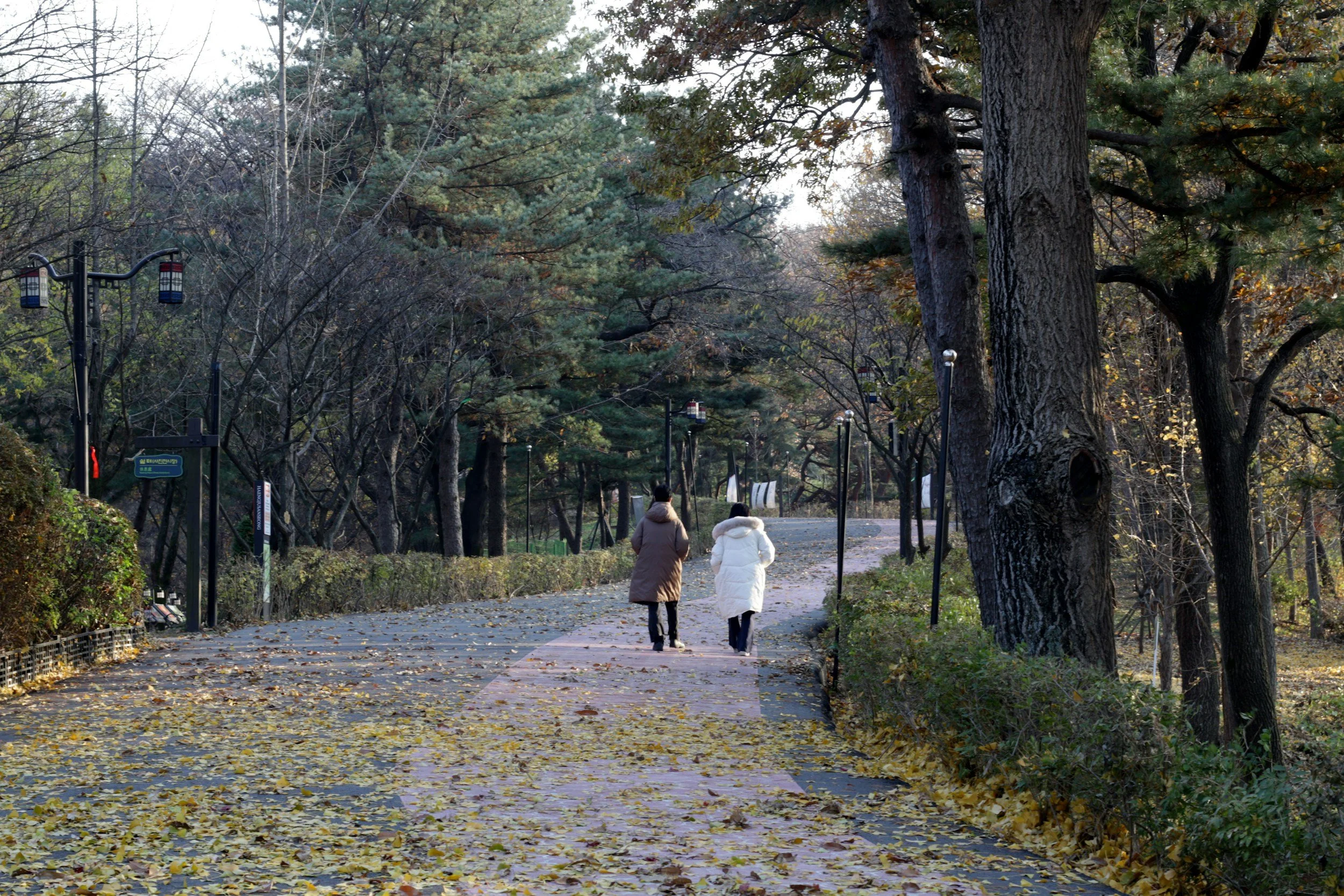
The benefits of being outdoors and incorporating movement into our daily lives are well-known, as are the benefits of therapy. Walk-and-talk therapy is a way to combine both which can be helpful in several ways such as being in nature, stress-reduction, and mood-boosting movement, which is also good for cardiovascular health. The bilateral stimulation that occurs when we walk, moving from one foot to the other, is soothing for the nervous system and it can help our thoughts and feelings come up to the surface and out to be processed. Walking side-by-side in therapy can foster equality and collaboration by removing the face-to-face dynamic that some find hierarchical or intimidating. Sharing personal struggles, difficult subjects, and emotions can feel very vulnerable; walking side-by-side often helps clients feel less self-conscious and more comfortable opening up while sharing a common outdoor journey together. Some folks find it challenging to sit still and tend to focus better when they are moving. For others, with increasingly busy schedules, it can be tough to carve out time for movement and/or therapy, making walk-and-talk sessions a great option. While walking can be a wonderful tool for us to use together, there are small risks inherent to being outside and confidentiality cannot be guaranteed, so I will always leave it up to you to decide whether it’s the right choice for you. We can meet at my office and walk along the Westlake Trail on Mondays, Tuesdays, and Thursdays. On Wednesdays and Fridays we can still walk along the Westlake Trail, we also have the option to meet at Greenlake or another trail for our session. Myrtle Edwards Park, the Olympic Sculpture Garden, Discovery Park, or the Burke-Gilman trail, starting in Ballard or Fremont are some options.
I offer walk-and-talk therapy for established clients (upon completion of an intake session plus one follow-up session). If you wish to incorporate walking into our sessions, let me know and we can discuss the details together.

8 Ways That Walking Can Transform the Therapy Experience
Get more from your sessions by venturing outside of the therapy office.
A Walk in the Woods May Boost Mental Health
Many physicians are prescribing time in nature as balm for the brain
Nature, Nurture Summer 2023 | by Molly McDonough

3 ways getting outside into nature helps improve your health
Cultivating Health | UC DAVIS HEALTH MAY 03, 2023